Train vs Plane in Europe: Cost, Time & Carbon Compared

The short answer: in Europe, take the train when the rail journey is under about four hours — it usually wins on door-to-door time and dramatically on carbon, often at a comparable price. Fly when the rail trip stretches past five or six hours, where the plane's raw speed finally outweighs the airport overhead.
Time: the four-hour rule
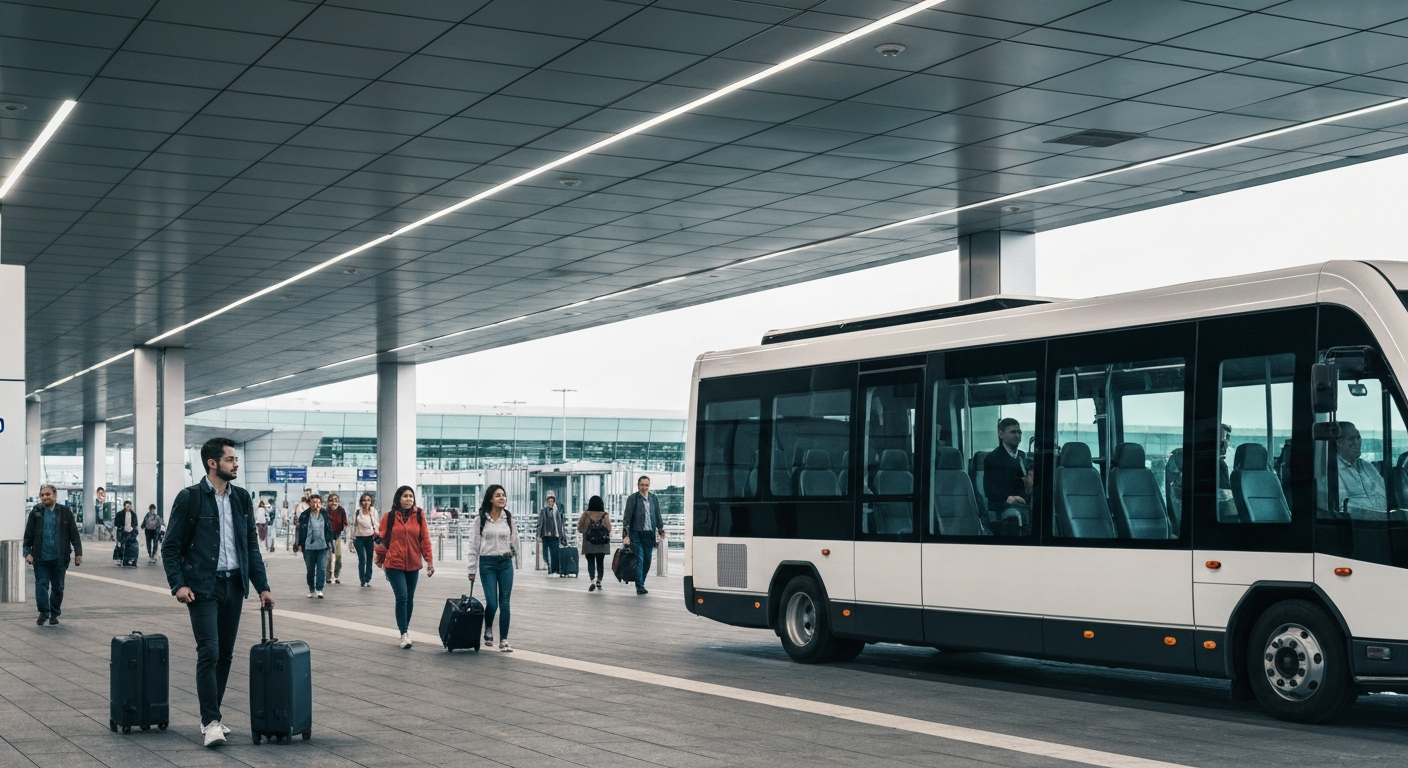
High-speed rail goes city-centre to city-centre with minimal check-in. A flight needs airport transfers, a security buffer and baggage time on both ends — easily three to four hours of overhead. So a 3-hour train can beat a 1-hour flight door-to-door. Once the rail journey passes roughly five hours, the plane pulls ahead even after that overhead.
Cost: closer than you think
Headline flight fares can look cheaper, but add checked bags, seat selection and two airport transfers and the gap narrows fast. Booked in advance, high-speed rail is frequently competitive with — or cheaper than — flying once those extras are included. Last-minute, both modes get expensive, but rail tends to be less volatile.
Carbon: rail wins, decisively
This is the clearest verdict of all. Per passenger-kilometre, high-speed rail emits a small fraction of what a short-haul flight does — typically an order of magnitude less. For travellers weighing their footprint, the train is the obvious choice on any route it can realistically serve. Short-haul flying is among the most carbon-intensive ways to move a person, because take-off and climb burn the most fuel and a short hop never spreads that cost over many kilometres. A largely electrified high-speed line, by contrast, can run on increasingly clean grid power. If reducing emissions is part of your decision, no other factor swings as hard or as consistently toward rail.
Reliability and disruption
The two modes fail differently. A missed flight connection or a cancelled departure can strand you for hours and force an expensive rebooking, while bad weather grounds short-haul planes more readily than it stops trains. Rail disruption, when it happens, is usually a delay rather than a write-off, and a later train is often only an hour away. Trains also free you from the anxiety of fixed check-in cut-offs — you walk up, board and go — which removes a layer of stress from the whole day.
Comfort and productivity
Trains offer more legroom, no seatbelt-sign confinement, reliable power sockets and usable Wi-Fi, plus the freedom to walk around. For working travellers, a 4-hour train can be more productive than a 1-hour flight bracketed by dead airport time. You can spread out a laptop, take calls between stations, or simply watch the landscape — none of which the cramped, intermittently connected cabin of a short-haul jet allows.
When the plane still wins
Long diagonals across the continent, routes with poor rail connections, or islands without a fixed link still favour flying. The train's advantage depends on a fast, direct line existing in the first place. A journey that requires two or three changes can erase the door-to-door edge even at a modest total distance, so check whether a single direct high-speed service actually exists before assuming rail will win.
Compare your route
Estimate the door-to-door flight time from Paris to Madrid, weigh the full trade-off with drive vs fly from London to Paris, and check the flight emissions you would avoid with our Berlin to Rome carbon footprint tool.
FAQ
When is the train faster than the plane in Europe? Whenever the rail journey is under about four hours, the train usually wins door-to-door.
Is the train cheaper than flying? Booked ahead and with airline extras counted, rail is often competitive or cheaper, though it varies by route.
How much less carbon does rail emit? Typically around a tenth of a comparable short-haul flight per passenger.
Booking a trip?
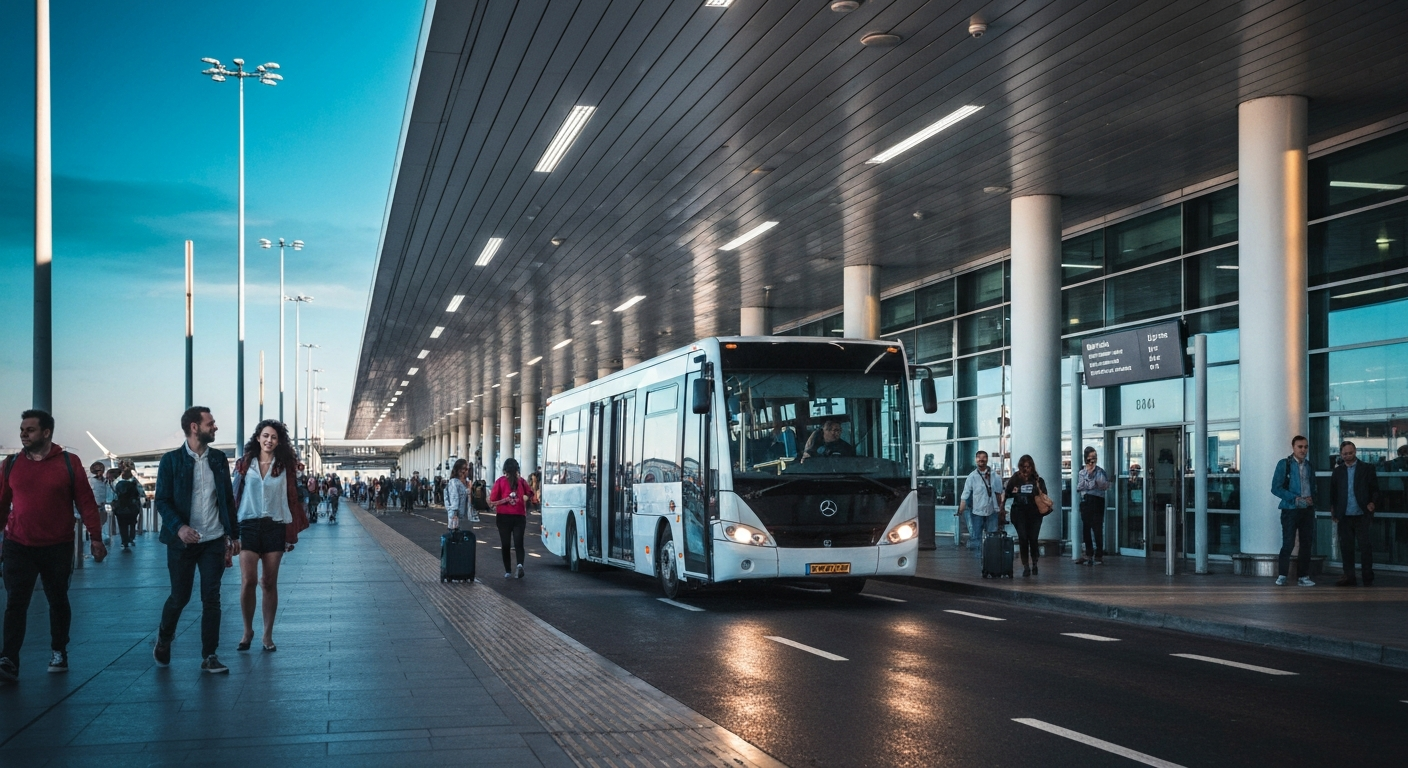
Fixed-price airport transfers, no hidden fees, driver waiting in arrivals.